
Traffic Calming And Slow Streets
Traffic calming is never
just about traffic.
The label describes one change. The effects land across emergency response, accessibility, local business, parking, and how much say residents get.
Our knowledge hub collects resident observations, explains the policy questions in plain language, and connects each issue to practical actions.
Everything is connected.
The Knowledge Hub
From one barrier to the bigger picture.
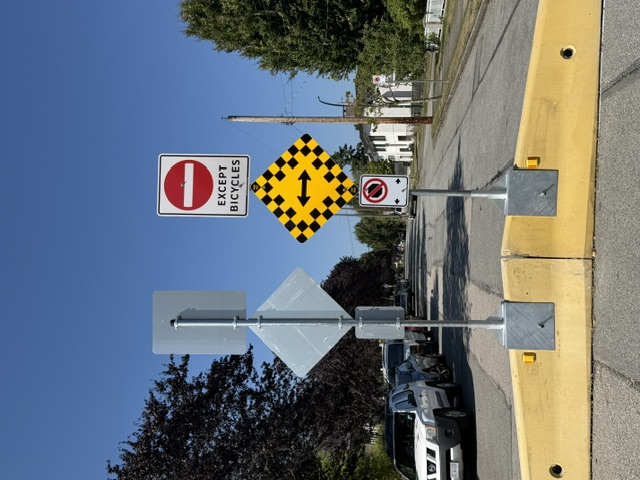
A barrier can look like a single object on a single block. For the people who live, work, park, walk, cycle, receive deliveries, or need emergency access nearby, the effects can spread much further. Routes change. Vehicles shift to side streets and lanes. A trip that was once straightforward can become uncertain.
This resource centre will follow those connections. It will bring together resident experiences, public documents, local reporting, and practical questions about how traffic-calming and slow-street decisions affect neighbourhood life.
Our purpose is not to reduce a complex issue to a slogan. It is to make the real-world impacts easier to see, discuss, and act on.
What We Will Be Investigating
The questions behind the barriers.
Access, safety, and everyday movement
We will look at how street restrictions affect residents getting to and from home, people using mobility devices, visitors, caregivers, service workers, deliveries, and first responders. The key question is simple: does a change improve safety without creating new barriers for the people who rely on the street every day?
Back lanes, side streets, and traffic spillover
When a main route changes, traffic does not disappear; it often finds another path. We will document resident concerns about diverted vehicles, speeding, visibility, noise, and conflict in back lanes and on streets not designed to carry through traffic.
Parking, curb space, and shared mobility
Curb space has to work hard in a neighbourhood. We will examine how parking changes, loading needs, accessible drop-offs, visitor access, scooters, and other uses of the street fit together, or fail to fit together, when plans are introduced without a workable local balance.
Consultation, evidence, and accountability
Residents deserve to understand what is being proposed, why it is being proposed, what evidence is being used, and how success will be measured. We will turn those questions into clear explainers so neighbours can participate with confidence.
Looking Beyond Our Block
Comparable stories across Vancouver and Canada.
East Vancouver is not the only place where residents are asking hard questions about barriers, slow streets, traffic diversion, access, and public consultation. This hub will track comparable examples from other Vancouver neighbourhoods and from communities across Canada.
Each case we feature will focus on what happened, who was affected, what information was available to the public, what residents raised, and what changed afterward. Similar projects can offer useful lessons, but every street has its own context. We will treat comparisons as a way to ask better questions, not as a shortcut to a conclusion.
Over time, this page will link to articles, timelines, resident guides, policy explainers, and source material that help build a fuller public record.
How We Will Build The Record
Clear sources. Real experiences. Useful next steps.
- Listen locally. We will collect experiences from neighbours affected by barriers, changed traffic patterns, parking loss, and access problems.
- Document the change. We will organize photos, videos, maps, meeting notes, and resident questions so recurring patterns are easier to recognize.
- Check the public record. We will point to available plans, reports, notices, and meeting material wherever possible.
- Compare responsibly. We will examine related examples in Vancouver and across Canada, identifying both similarities and important differences.
- Turn information into action. Each resource will aim to leave readers with a practical next step: a question to ask, a meeting to attend, a story to share, or a source to review.
Help Build The Hub
Your street experience belongs in the conversation.
Have barriers, redirected traffic, scooter clutter, parking loss, or back-lane speeding changed your daily life? Share what you are seeing. Photos, short videos, route changes, accessibility concerns, and meeting notes can help show the full picture.
We will distinguish between resident observations, public documents, and reporting as this hub grows. The goal is a stronger, more useful community record, one that helps East Vancouver ask for streets that work for the people who live here.
Coming Soon
New articles, local updates, resident stories, and comparative case studies will be added here as the East Van Traffic Coalition builds the record.
These are our streets. We should have a say in what happens to them.
Traffic Calming Slow Streets Updates
by traffic-calming-slow-streets, October 4, 2026, 11:03 pm
by traffic-calming-slow-streets, September 30, 2026, 11:09 pm
by traffic-calming-slow-streets, September 30, 2026, 12:23 am
by traffic-calming-slow-streets, September 29, 2026, 12:16 am