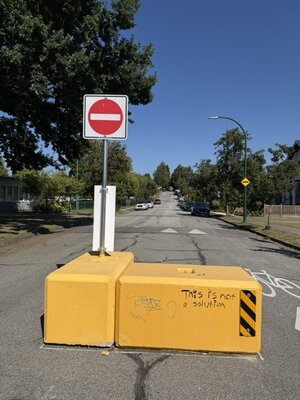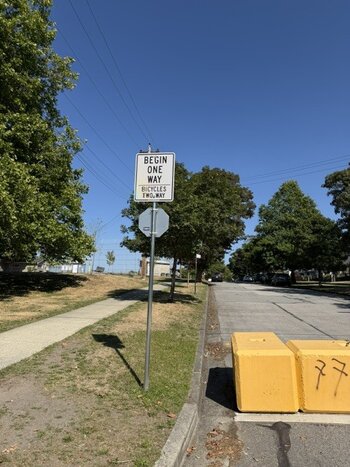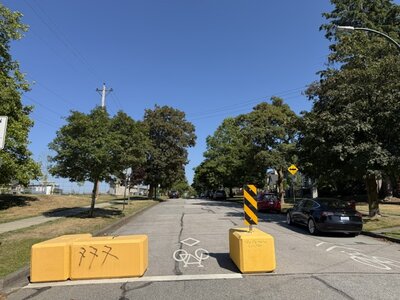
It's an assumption of sound - with traffic calming measures meant to contain the chaos of congestion. Speeds are reduced; engine revs are unnecessary; and the promise of an orderly, easy flow should eliminate traditional noise. Policymakers are satisfied that the streets will be improved.
They just become louder.
According to the National Collaborating Centre for Healthy Public Policy, traffic calming measures can greatly impact street noise. Research on roundabouts found that vehicle sounds rise by 3–8 dB(A) during acceleration, a 1–2 dB(A) rating higher than continuous flow. Meanwhile, a study on urban intersection reconstruction found that volume levels experience sudden spikes, with redirected cars averaging 3.5 db(A).
Comparatively, speed bumps can produce significant noise peaks. A UK study found that maximum ratings from heavy-duty vehicles increased by 7.9 db(A) at wide speed cushions and 6.2 db(A) at flat-top speed humps; while the same measurements noted increases of 2.1 db(A) at narrow cushions. Commercial vans, transit buses, and ambulances all created a strong decibel reaction - leading to an increase in street noise and resident discomfort.
Slow speeds do not assure quiet communities. Instead traffic calming can create an unwelcome (and unwanted) environment for those living among the barriers.
Sources
National Collaborating Centre for Healthy Public Policy
Estimation of the Noise Level Produced by Road Traffic in Roundabouts
Influence of the Urban Intersection Reconstruction on the Reduction of Road Traffic Noise Pollution
Traffic Calming Effects In East Vancouver
Slower Traffic, Louder Streets: Traffic Calming In East Vancouver