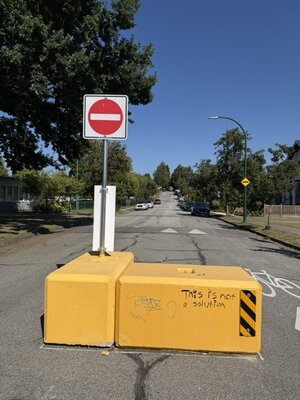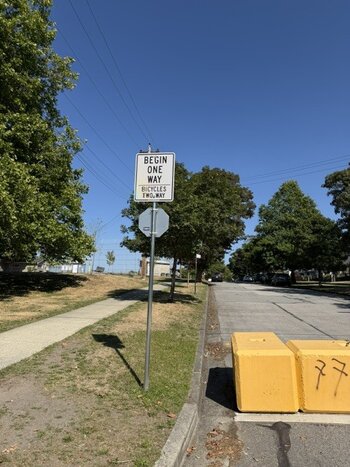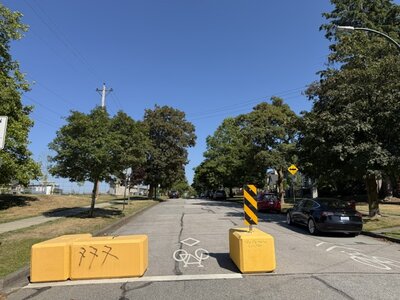
With traffic calming comes a promise of frustration - stop-and-go conditions, sharp turns, frequent redirections. There is no straightforward straightaway; there is instead a series of convoluted corners... which wreaks havoc on a vehicle's performance. The consistent delays caused by barricades demand a high cost of maintenance over time.
In 2021 a field study published in Tribology International analyzed 47 used-engine-oil samples from passenger cars. They found that short, city-style trips delivered faster oil degradation, more rapid depletion of anti-wear additives, and greater fuel dilution. Contamination significantly reduced viscosity, weakening its protective properties; and this left engines vulnerable to potential damage.
Traffic calming's need for repeated braking also has a maintenance cost. The U.S. Environmental Protection Agency identifies aggressive stop-and-go driving as a cause of greater system wear. A 2026 study examining more than 3,000 events found that brake-wear particle emissions under aggressive driving were 2–4 times higher than those under normal travels—equivalent to 100–300% emission increases.
Additionally, the consistent idling required by barricades and congestion delays is not cost-free. Argonne National Laboratory measured passenger-car idle fuel consumption at approximately 0.2–0.5 gallons per hour; while, for heavy-duty trucks, it was estimated that one hour of daily idling over a year equated to roughly 6,400 miles of engine wear.
The introduction of traffic calming measures undermines vehicle performance - with drivers forced to endure stop-and-go conditions that deplete oil, encourage brake-wear, and consume excess fuel. A simple commute becomes a massive complication and, potentially, an equally massive cost.
Sources
ScienceDirect — Comprehensive assessment of oil degradation patterns in petrol and diesel engines.
SAE International — Mechanisms of Engine Wear and Engine Oil Degradation in Vehicles Using M85 or Gasoline.
Argonne National Laboratory — Passenger-Car Fuel Consumption.
Traffic Calming Effects In East Vancouver
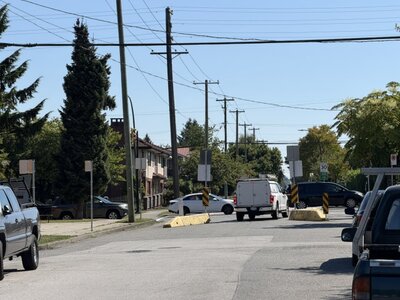
Do East Vancouver's Traffic Calming Measures Increase Vehicle Wear?