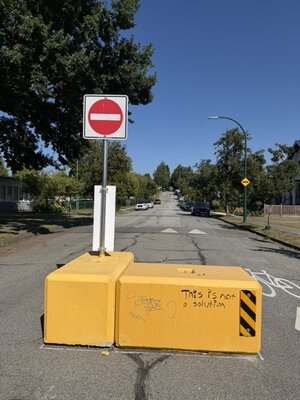
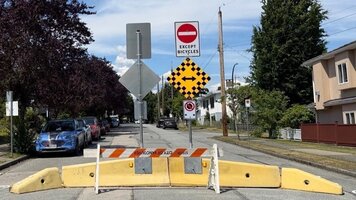
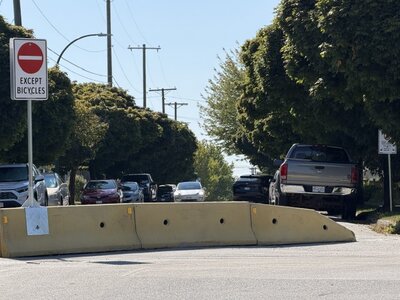
Emergency responses are measured in mere seconds - with every minute impacting patient health and treatment capabilities. Replacing straightway streets with a series of turns and traffic calming measures, therefore, can have potentially devastating effects.
In 2013 a study in Spain tracked ambulances for two weeks, using GPS to monitor their responses to traffic calming barriers. It was discovered that these measures added 1.4 to 4.3 seconds of delay per individual stop, depending on road conditions and the type of service. More significantly, when patients were aboard, the ambulances changed routes by more than one kilometre to avoid streets with known speed humps, chicanes, and barricades, producing delays of up to 40 seconds.
The issue isn't only vertical deflection, however. FHWA identifies traffic calming measures as restrictive to vehicle movements - and its guidance specifically rates full closures and diagonal diverters as inappropriate where emergency access is required. The potential cost is simply too high.
For emergency services, the fastest route isn't the one with the highest speed limit. It's the one that remains direct, predictable, and accessible - and our own East Vancouver streets are failing to meet this expectation.
Sources
García A, Moreno AT, Romero M, Perea J. Estimating the effect of traffic calming measures on ambulances. Emergencias, 2013. Study summary and citation
Federal Highway Administration (FHWA). Traffic Calming ePrimer — Module 7: Traffic Calming Programs and Planning Processes. FHWA Module 7
Federal Highway Administration (FHWA). Traffic Calming ePrimer — Module 3: Toolbox of Individual Traffic Calming Measures. FHWA Module 3
Traffic Calming Effects In East Vancouver
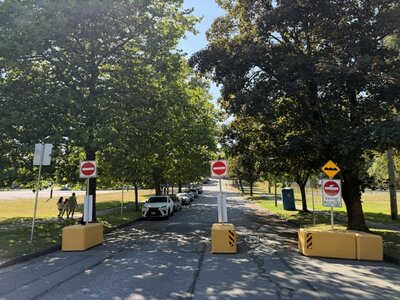
The Ambulance Response Problem: Traffic Calming In East Vancouver