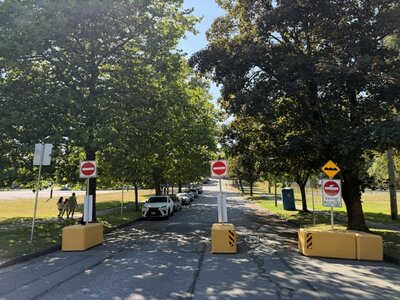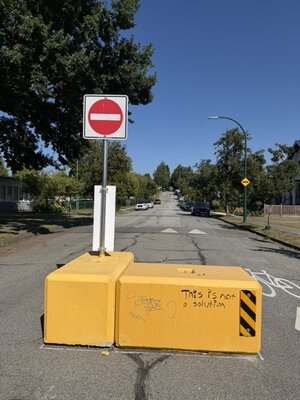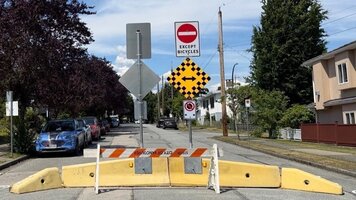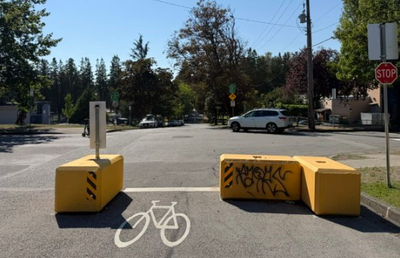
Traffic-calming measures are fair-weather inconveniences - and rainy day disasters. With wet pavement comes lost traction, and introducing an endless series of barricades, intersections, and roundabouts leaves drivers overwhelmed.
Recent studies have shown the havoc traffic calming can wreak as conditions change. Researchers noted that drivers accept available gaps only 58.0% of the time in rainy conditions, compared with 67.5% in good weather (leading to congested streets and increased stop-and-go patterns). Average waiting time rose from 4.06 seconds to 6.73 seconds (an increase of nearly 66%); and vehicles required response times of approximately 10% longer when entering roundabouts, causing funneling. Additionally, crash risks at signalized intersections surged by an estimated 4–22% - while curb extenders left drivers vulnerable to a loss of traction, impeding both braking distances and maneuvering margins.
Traffic calming promises improved safety. Too often, however, does it lead to volatile road conditions, creating a disadvantage for drivers during inclement weather.
Are we meant to only travel when the sun is out?
Sources
FHWA — Weather Effects on Roads
Lee et al. — Evaluation of the Rain Effects on Gap Acceptance Behavior at Roundabouts
NIH — Whether Conversion and Weather Matter to Roundabout Safety