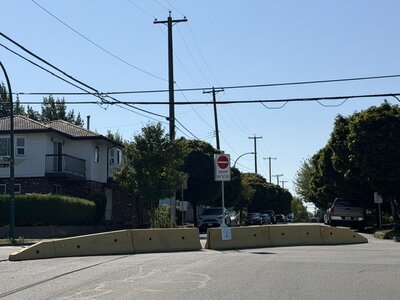
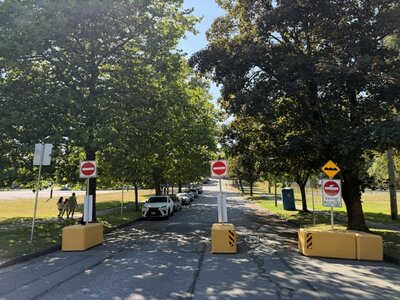
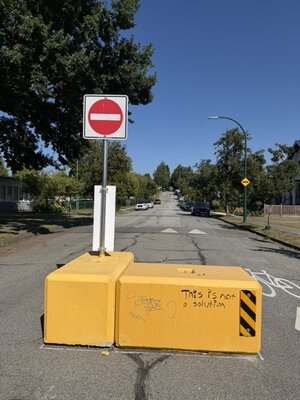
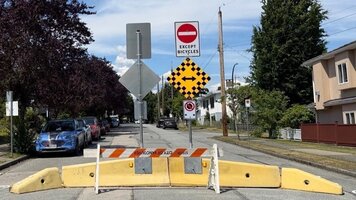
Traffic calming is intended for the every day. It is not meant for the emergency - and this can leave fire personnel struggling to respond, with even modest measures (such as curb extensions or traffic circles) interfering with vehicle maneuverability.
Under the International Fire Code, fire-apparatus access roads generally require at least 20 feet of unobstructed width and up to 13 feet of vertical clearance. Where aerial apparatus access is needed, the minimum width rises to 26 feet near a building; and access typically must also extend to within 150 feet of portions of the surrounding exterior.
Traffic-calming research shows how quickly maneuverability can be undermined. FHWA reports that fire-vehicle delays at traffic circles may require more than 10 seconds per obstacle to navigate. More importantly, the agency notes that horizontal-deflection measures can require fire vehicles to make additional steering movements, while narrowings can restrict the path available to patient homes. FHWA says fire departments have traditionally been the most vocal emergency-service critics of traffic calming, precisely because of these mobility concerns.
Route changes further impede performance. A study tracking emergency personnel for two weeks found that vehicles carrying patients sometimes redirected their routes by more than 1 kilometre to avoid traffic-calming measures, producing delays of up to 40 seconds. Each obstacle contributed between 1.4 and 4.3 seconds of delay, depending on conditions - a number that can have potentially devastating effects.
The road therefore needs to do more than accommodate a fire engine's wheels. It needs to provide enough space for a 75,000-pound apparatus, turning movements, and equipment deployment—without forcing crews to take a longer route to get there.
A full-closure leaves patients at risk and responders struggling.
Sources
Federal Highway Administration — Traffic Calming ePrimer, Module 5: Emergency Services
FHWA Traffic Calming ePrimer — Module 3, Part 2
International Code Council — International Fire Code, Appendix D: Fire Apparatus Access Roads
Stealing Space, Stealing Lanes: Traffic Calming's Impact on Emergency Responses