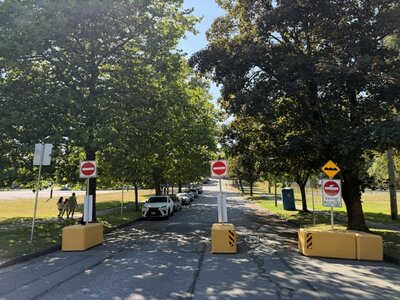
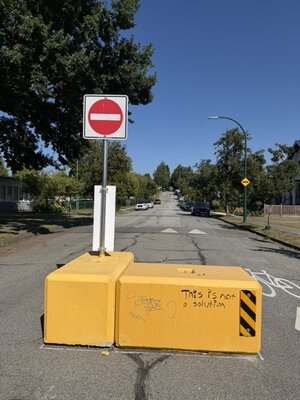
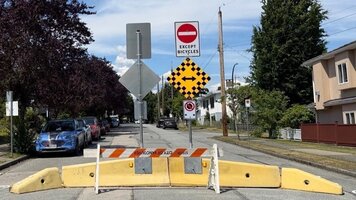
The weather outside may not yet be frightful but winter is on its way - and with that change in seasons comes a new series of challenges for those facing traffic calming.
Full-closure measures change more than traffic volumes or speed limitations. They instead redirect motorists onto alternative (often unfamiliar and unsuitable) streets. They create new intersections, transforming turns into congestion; and those changes become more important during the winter, when inclement weather leaves drivers struggling to keep pace.
The Federal Highway Administration reports that roughly one-quarter of U.S. fatalities and almost half of all total traffic injuries are associated with intersections. In 2022 alone, more than 12,000 fatalities involved these traffic calming measures, including more than 7,800 at unsignalized stops. Winter conditions further compound those challenges.
A 2019 study of winter weather and signalized intersections found that adverse conditions can significantly affect traffic flow and delay. The effect can become particularly important when a traffic-calming project forces vehicles through additional intersections: FHWA research indicates that heavy snow can reduce roadway capacity by roughly 30–40%, while rainfall can lessen capacity by approximately 10–20%. Weather-related crashes also account for about 18% of total incidents, with roughly 46% occurring during rainfall and another 21% on snow, sleet or ice-covered pavement.
In Metro Vancouver, 64% of drivers surveyed said they were nervous driving in winter conditions. How high will that number rise when traffic-calming measures transform the streets into a series of new intersections and diversions?
The concern is, therefore, not simply whether a traffic-calming device works in winter. It's whether the entire altered route remains practical when streets are compromised. Vancouver should evaluate detours under those conditions—not just on a dry afternoon in August.
Sources
FHWA — About Intersection Safety
FHWA — Traffic Calming ePrimer, Module 5
ICBC — Winter driving survey
ICBC — Winter driving and crash statistics
Effects of winter weather on traffic operations and optimization of signalized intersections
Traffic Calming Effects In East Vancouver
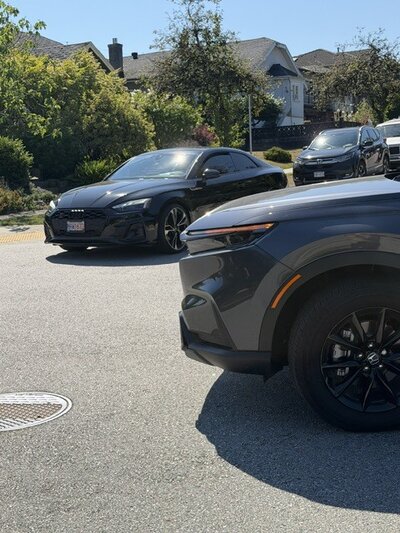
The Winter Detour Problem: When Traffic Calming Meets Bad Weather