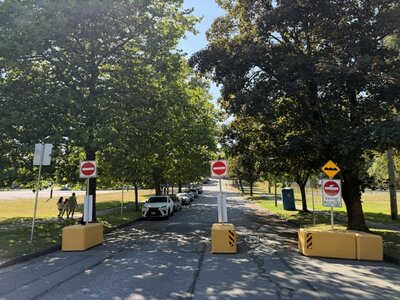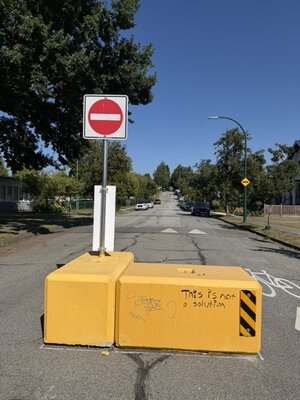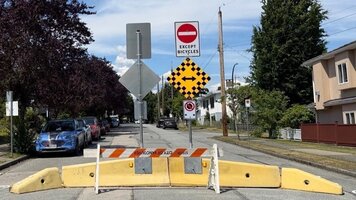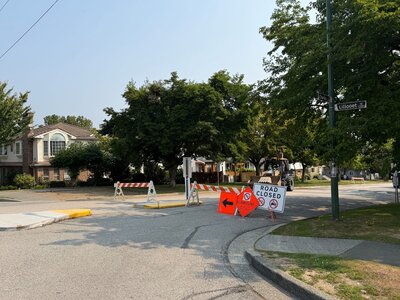
Together, however, these policies leave drivers vulnerable to a lack of space.
Fewer Spaces, More Pressure In Vancouver
Vancouver's parking problem does not live within the hypothetical. It instead defines the driving experience for commuters and visitors alike. The City's West End Parking Strategy, for example, found fewer than two on-street spaces for every 100 households; and, during peak hours, motorists could add an extra 2.7 kilometres to their travels, searching for somewhere to stop.
This causes frustrations to rise - and spirals into a series of additional concerns, with The City itself recognizing that scarcity can produce unnecessary travel, congestion, safety risks, and additional emissions. That makes access to the remaining parking supply an important part of the traffic-calming debate: if street restrictions keep drivers from easily accessing spaces, Vancouver should measure whether the vehicle problem has been eliminated... or just made far worse.
We know our answer.
Sources
City of Vancouver — Elimination of minimum parking requirements
City of Vancouver — West End Parking Strategy
City of Vancouver — West End Residential Parking Strategy report
City of Vancouver — Guide to driving and parking