The Impact of Traffic Calming on Accessibility in East Vancouver
According to Statistics Canada, 27% of Canadians aged 15 and older—approximately 8 million people—were identified as having at least one disability in 2022. The figure includes those with learning, developmental, memory and communication-related impairments, not just physical limitations; and these individuals rely on routine to better adapt to the world.
Traffic calming, therefore, can create unexpected difficulties to overcome.
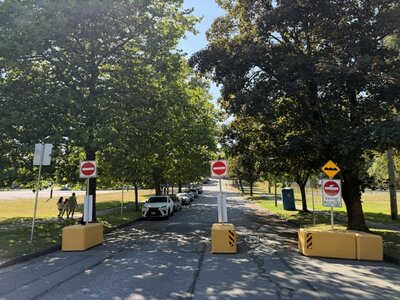
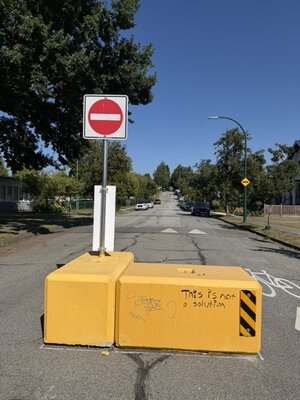
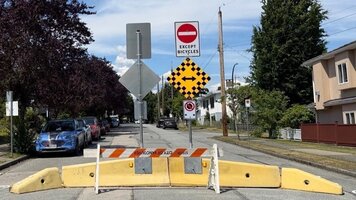
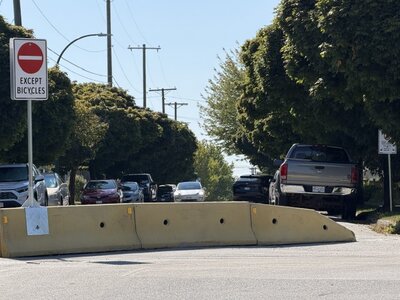
For those familiar with a neighbourhood, a full-closure diversion may be little more than an inconvenience. For those with a cognitive or sensory disability, however, an unfamiliar route can introduce endless complications - forcing them to navigate new roads and identify safe stopping points. Vancouver's Accessibility Strategy defines this as the ability to “reach, understand, contribute to and use” all places, information and services; and trying to maneuver through barricades can leave these individuals vulnerable, unable to properly respond to changes in signage or locate curb connectors for mobility aids.
The challenge is further compounded by gaps in the pedestrian network. The City says Vancouver's sidewalk infrastructure is approximately 80% complete, with up to 450 kilometres missing. An alternate route created by a traffic-calming project, therefore, may not simply mean walking an extra block; it could instead leave individuals without access to the paths they need.
Traffic calming promises safety. Its reality, however, is far more complicated - and far less forgiving.
Sources
City of Vancouver — Accessibility Strategy
City of Vancouver — Walking and Accessibility
City of Vancouver — Traffic Calming and Safety
City of Vancouver — Accessibility Barriers
Statistics Canada — Canadian Survey on Disability, 2022