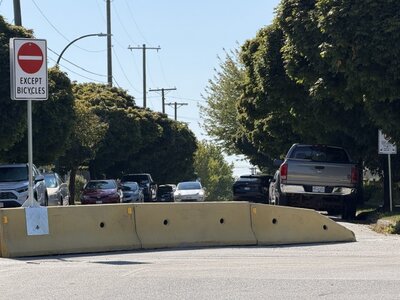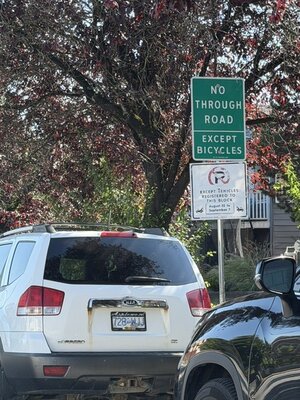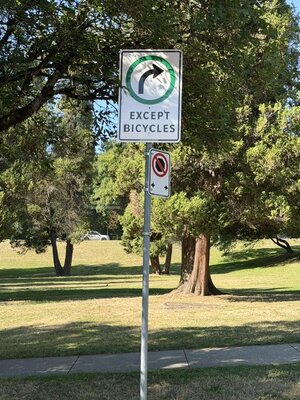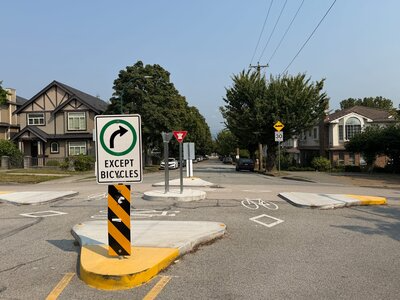
It's the accumulation of several frustrating moments - with the implementation of cycling infrastructure changing how drivers navigate the road. Spaces narrow; queues lengthen; and commutes are extended, with each way requiring an additional mile or extra minute.
This... takes a toll.
In 2015 Seattle's Department of Transportation measured evening rush-hour travel on a 0.71-mile stretch of Second Avenue before and after installing protected bike lanes. The highest average weekday journey increased from 9 minutes to more than 11 minutes—an increase of over 2 minutes. Commutes were extended between 10 to 15 minutes (one way) over the course of an average business work week.
Complementing this statistic is a 2022 University of Potsdam study, which examined Berlin's pop-up bike lanes. This found that average car speeds fell by 8–12% when forced to maneuver through the new network, with reductions reaching 16% during afternoon peak hours; and this made drivers endure lengthier commutes during the week. Additionally, research published in 2024 examining five high-volume road-diet corridors in Los Angeles noted average vehicle travel time was 9.3% longer (approximately 16 additional seconds per mile) than on comparison streets.
These findings demonstrate why road redesigns must be evaluated against actual commuting conditions. Cycling lanes are not to be condemned, but they must be properly implemented in areas that can support them - rather than shoved into East Vancouver neighborhoods that are neither designed nor intended for the consequences.
Sources
Seattle Department of Transportation, Vehicle Travel Time Collection Technology in Seattle (2015)
Philipp Schrauth, University of Potsdam, The Causal Effect of Cycling Infrastructure on Traffic and Accidents (2022)
Venegas et al., Take the High (Volume) Road: Analyzing the Safety and Speed Effects of High-Traffic-Volume Road Diets (2024)